

Disease overview
Most uncomplicated acute cough illnesses improve with time and supportive care, while pneumonia can become serious and requires clinical assessment. Age, pregnancy, immune status and existing heart, lung or kidney disease can lower the threshold for review. Antibiotics treat susceptible bacterial infection; they do not treat viruses and should not be started without an appropriate assessment.
It includes:
- Acute bronchitis and bronchiolitis
- Community-acquired pneumonia
- Infective exacerbations of chronic lung disease
Pathophysiology
Respiratory pathogens spread mainly through droplets, aerosols or contact and can pass from the upper airway into the bronchi or alveoli. The immune response produces inflammation, cough and mucus and may impair oxygen transfer when the small air sacs are involved. Pneumonia severity ranges from mild disease managed in the community to respiratory failure or sepsis requiring hospital care.
Disease pathway
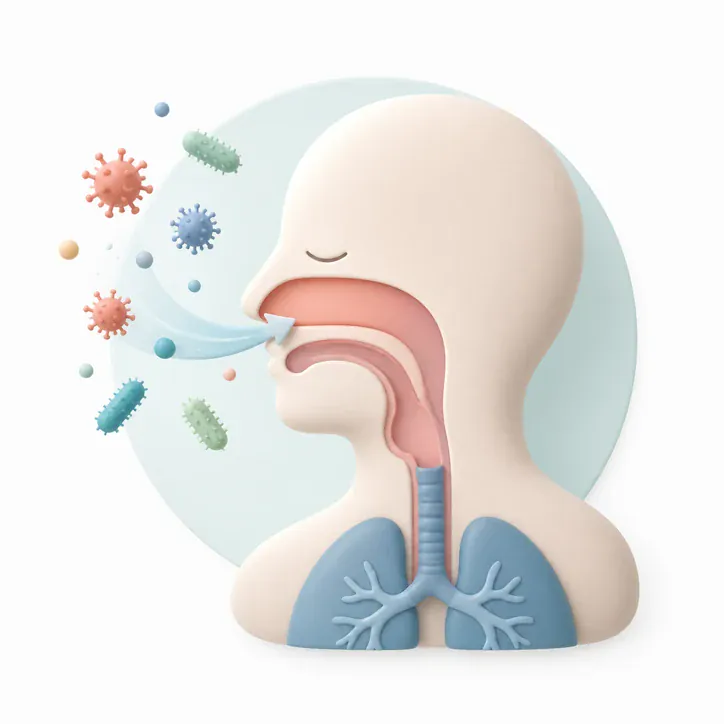 Exposure and entry
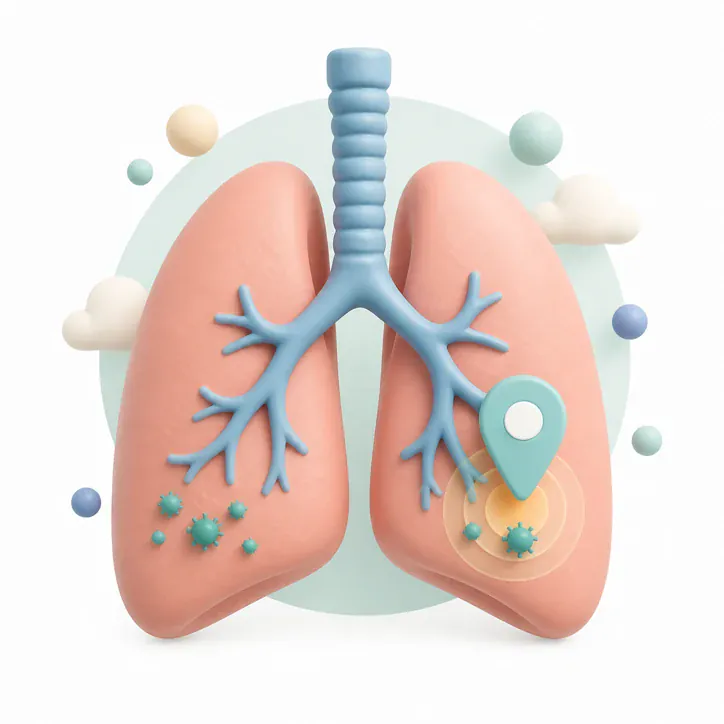 Lower-airway infection
 Inflammation and symptoms
 Assessment and recovery
Common symptoms
Risk factors
Assessment
Assessment focuses first on breathing, circulation, mental state and the risk of sepsis. A clinician may check temperature, respiratory rate, heart rate, blood pressure and oxygen saturation and listen to the chest. Chest imaging, blood tests or microbiology are used selectively according to severity, setting and whether results will change care.
Assessment pathway
Management
Management depends on the cause and severity. Rest, adequate fluids and appropriate symptom relief may be enough for a mild viral illness. Bacterial pneumonia generally needs antibiotics selected according to local guidance, allergies, recent antibiotic use and individual risk. Unnecessary antibiotics expose people to side effects and contribute to antimicrobial resistance.
Management approach
References
- National Institute for Health and Care Excellence. Pneumonia: diagnosis and management (NG250), 2025.
- World Health Organization. The top 10 causes of death, updated 7 August 2024.
- World Health Organization. The WHO AWaRe antibiotic book, 2022.
- National Institute for Health and Care Excellence. Antimicrobial stewardship: systems and processes for effective antimicrobial medicine use (NG15).