

Disease overview
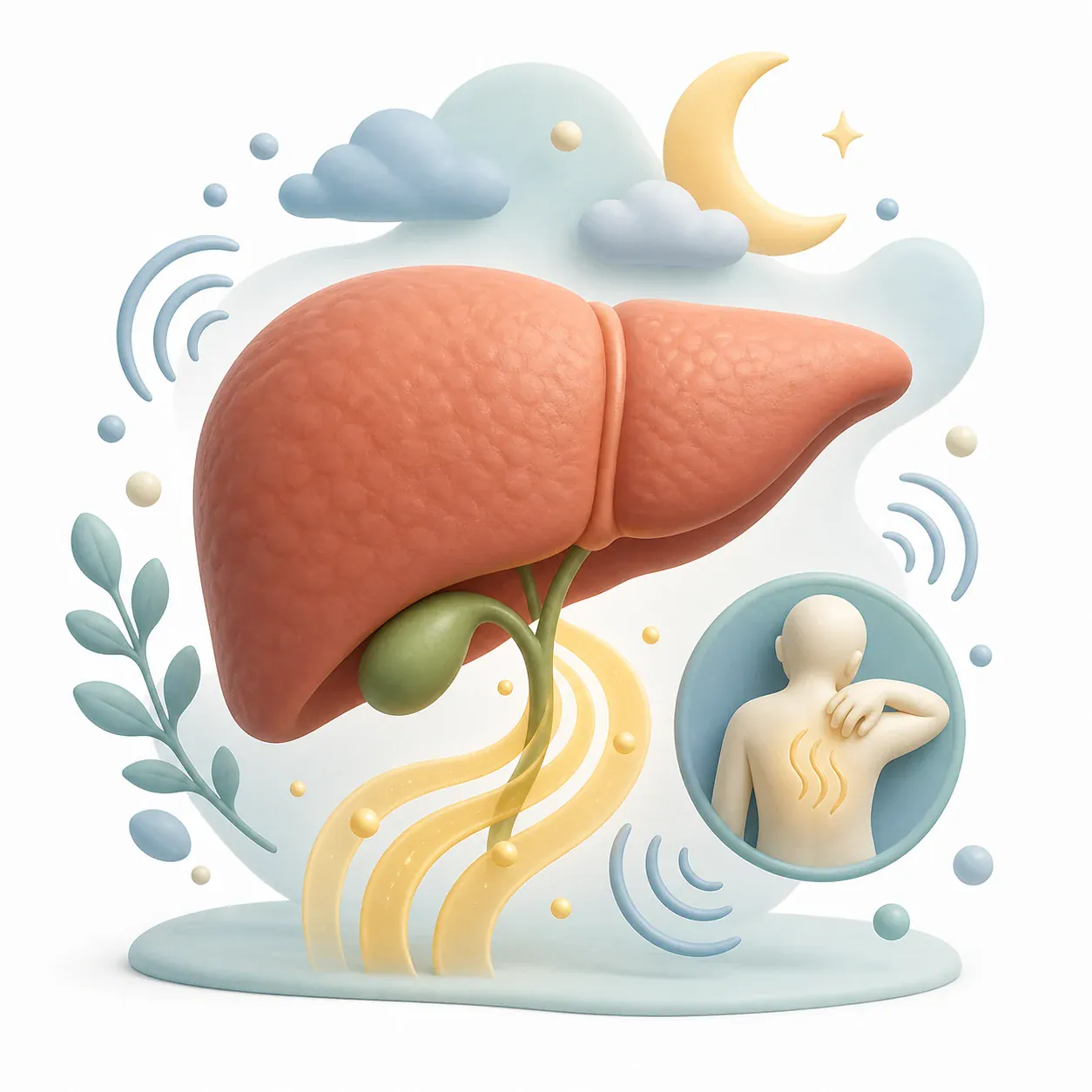
Cholestatic itch may be generalized or most noticeable on the palms and soles and is often worse in the evening or at night. The skin can look normal before scratching, which helps distinguish the symptom from a primary inflammatory skin disease. Sleep loss, fatigue, low mood and reduced daily function are important parts of the clinical assessment—not secondary concerns.
It includes:
- Pruritus in PBC or PSC
- Itch associated with intrahepatic or obstructive cholestasis
- Sleep and quality-of-life effects of chronic itch
Pathophysiology
The mechanism is not fully resolved. Cholestasis appears to allow itch-promoting substances to accumulate and activate sensory nerve pathways from the skin to the brain. Candidate pathways include bile-acid signalling, lysophosphatidic acid and endogenous opioids, but no single blood marker explains symptom severity. Cholestatic itch is not primarily histamine-mediated, which is why ordinary antihistamines may provide sedation without reliably treating the underlying itch.
Disease pathway
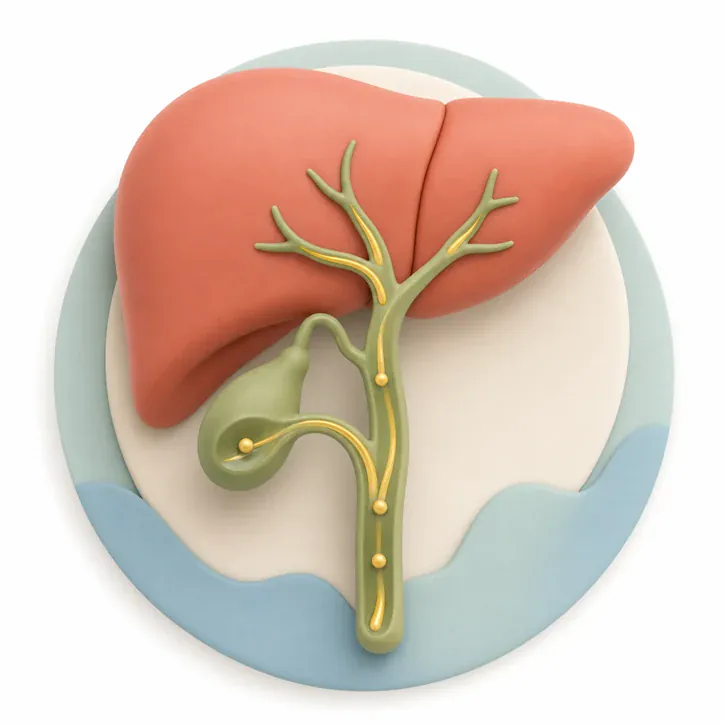 Bile flow slows
 Itch signals increase
 Sleep and wellbeing suffer
 Stepwise care begins
Common symptoms
Risk factors
Assessment
The clinician confirms whether itch is associated with cholestasis and checks for skin, kidney, thyroid, haematological, neurological or medicine-related causes. Assessment may include liver biochemistry, a complete medicine and supplement review, and ultrasound or other biliary imaging. Sudden cholestasis or obstruction requires timely investigation rather than symptom treatment alone.
Assessment pathway
Management
Management combines treatment of the underlying liver or biliary disease with direct treatment of itch. Simple skin-care measures can reduce aggravation but moderate or severe cholestatic pruritus often needs prescribed therapy. Guidelines use a stepwise approach because treatments have different interactions, monitoring requirements and safety limitations.
Management approach
References
- American Association for the Study of Liver Diseases. Scratching the Itch: Management of Pruritus in Cholestatic Liver Disease, 2024.
- European Association for the Study of the Liver. Clinical Practice Guidelines: The diagnosis and management of patients with primary biliary cholangitis.
- European Association for the Study of the Liver. Clinical Practice Guidelines on sclerosing cholangitis, 2022.
- Hegade VS, et al. Pruritus is common and undertreated in patients with primary biliary cholangitis in the United Kingdom. Clinical Gastroenterology and Hepatology. 2019.