

Disease overview
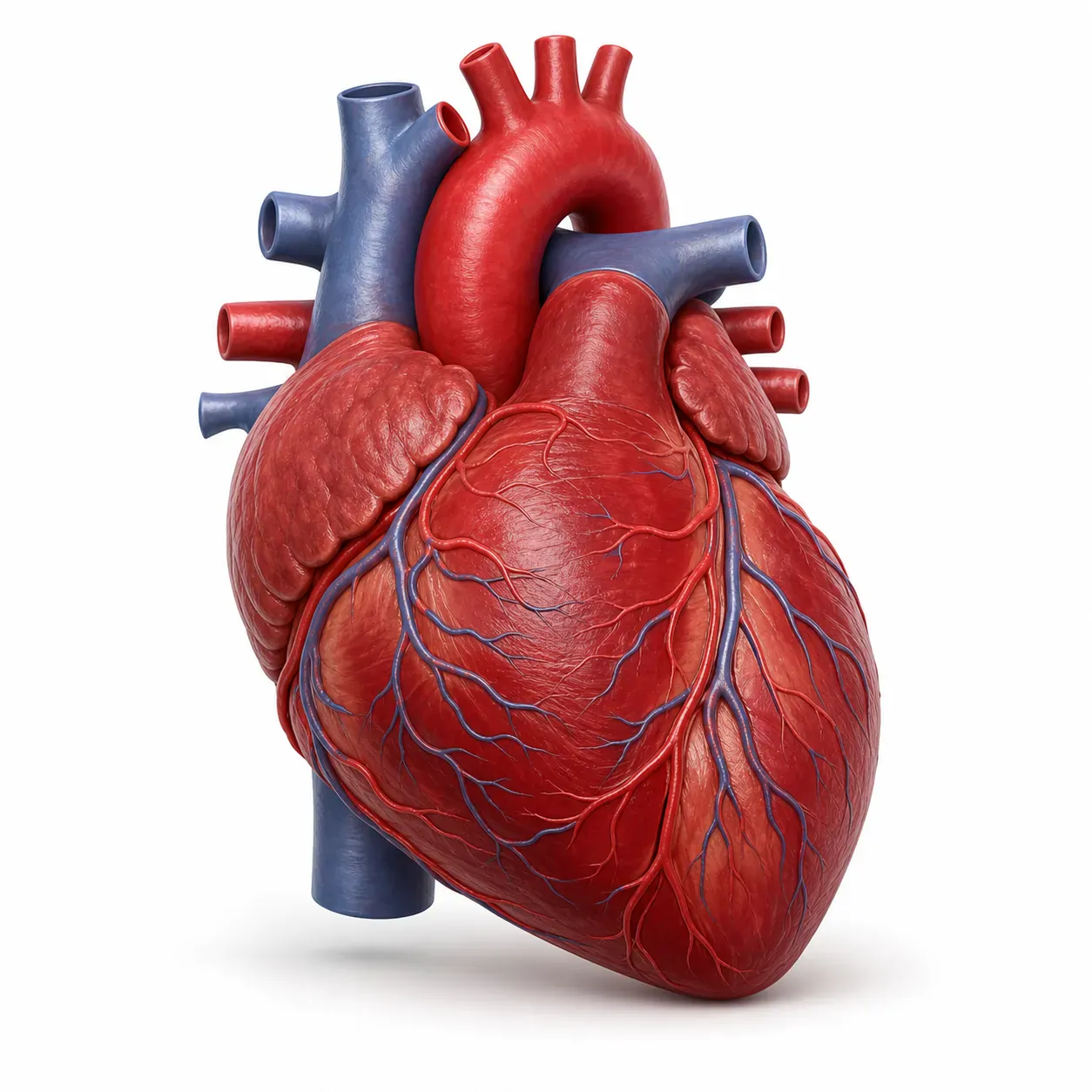
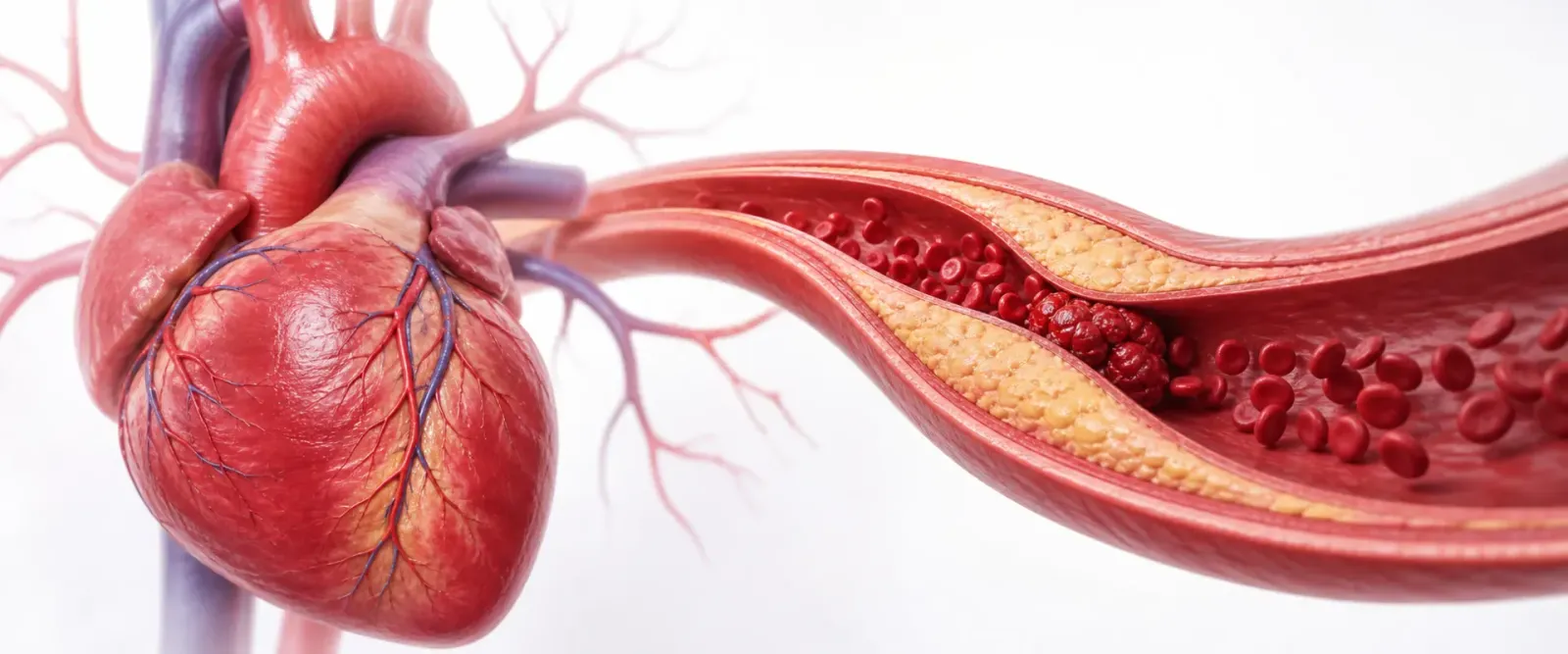
Acute Coronary Syndrome (ACS) is a clinical syndrome caused by sudden reduction of blood flow to the heart due to plaque rupture and thrombus formation.
It includes:
- ST-Elevation Myocardial Infarction (STEMI)
- Non-ST-Elevation Myocardial Infarction (NSTEMI)
- Unstable Angina
Pathophysiology
ACS commonly begins with atherosclerotic plaque disruption, platelet activation and thrombus formation that can obstruct coronary blood flow and cause myocardial ischemia or infarction.
Disease pathway
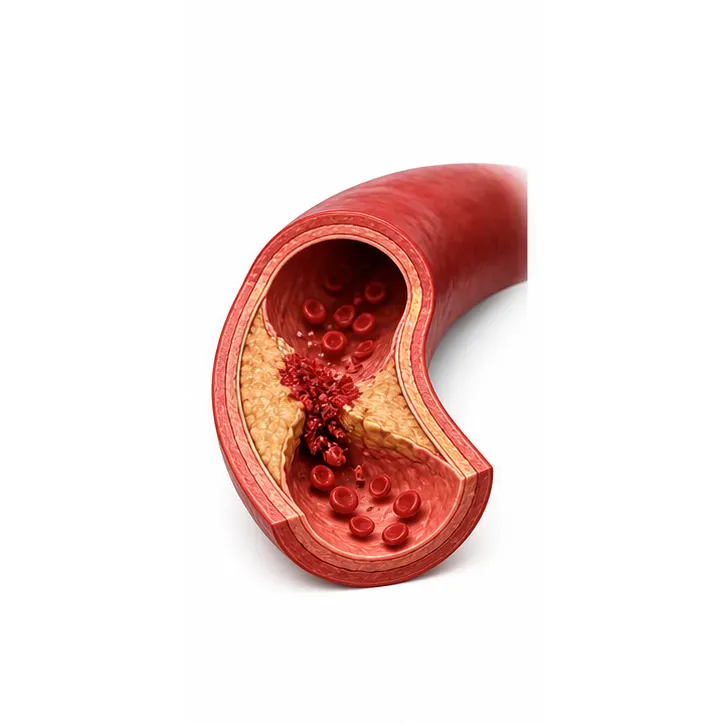 Atherosclerotic plaque rupture
 Platelet activation
 Thrombus formation
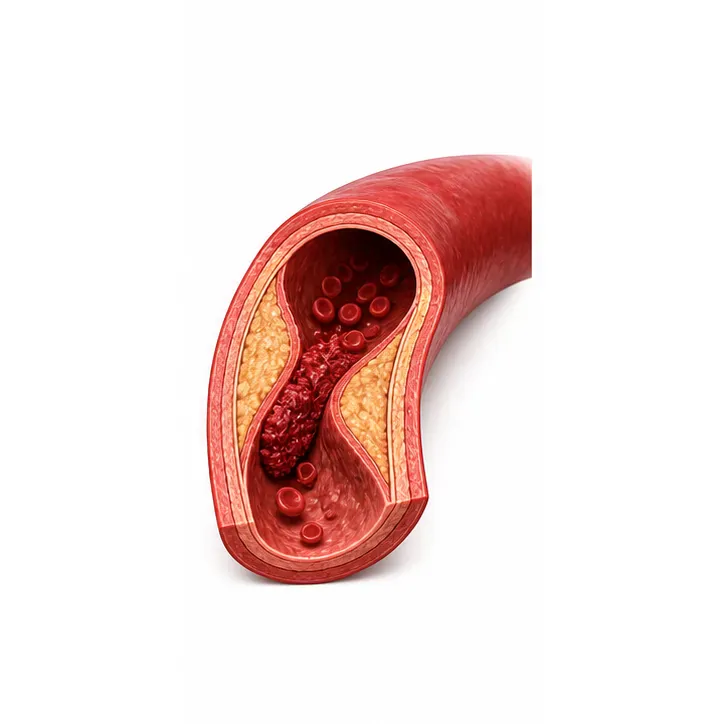 Coronary artery obstruction
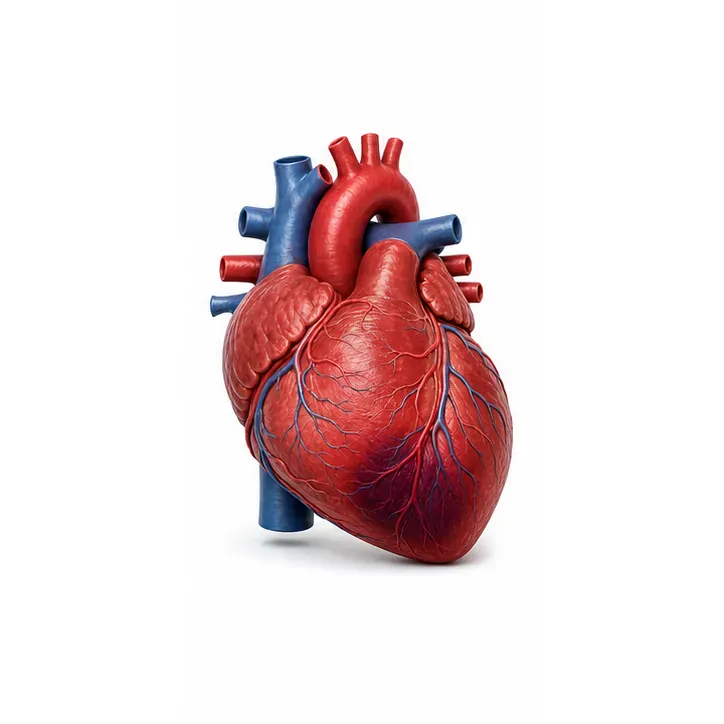 Myocardial ischemia
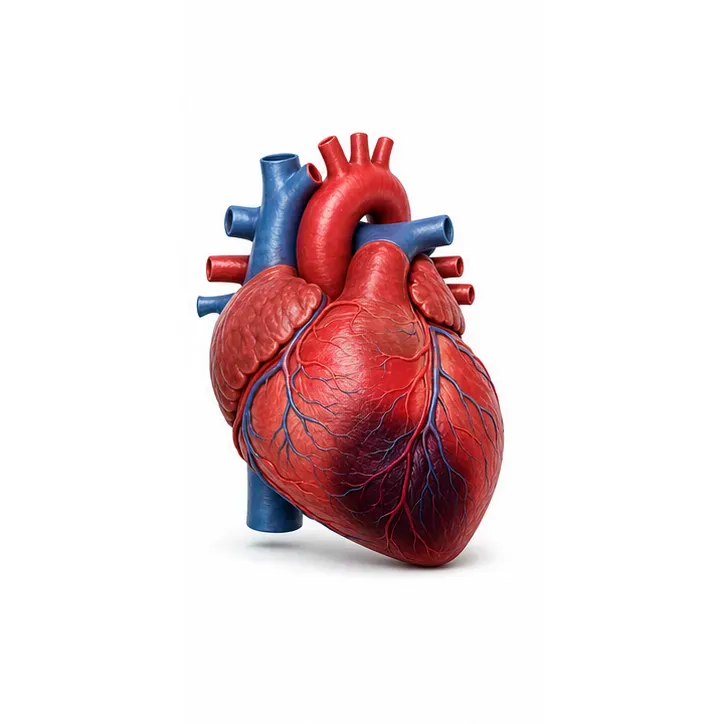 Myocardial infarction
Common symptoms
Risk factors
Assessment
Diagnosis is made by healthcare professionals using symptoms, ECG findings, cardiac biomarkers, imaging and risk stratification where appropriate.
Assessment pathway
Management
Treatment strategy should follow current locally approved guidance and clinical judgement. The example flow below is for disease-education mockup content only.
Management approach
References
- Ibanez B, et al. 2025 ESC Guidelines for the management of acute coronary syndromes. Eur Heart J. 2025.
- Amsterdam EA, et al. 2021 AHA/ACC Guideline for the Evaluation and Diagnosis of Chest Pain. Circulation. 2021.
- Collet JP, et al. 2021 ESC Guidelines on acute coronary syndromes in patients presenting without persistent ST-segment elevation. Eur Heart J. 2021.
- Thygesen K, et al. Fourth Universal Definition of Myocardial Infarction (2018). J Am Coll Cardiol. 2018.
- WHO. Cardiovascular Diseases (CVDs) Fact Sheet. 2023.